

“Data protection can feel quite isolating at times, which is why strong relationships and supportive networks matter so much and are something I’ve really come to value at DPP...
Data protection is all too well known for being an isolating role"
Jasmine Harrison
Partnerships Manager
Jasmine's Posts
How to Respond to a Data Subject Access Request (DSAR)
How to Respond to a Data Subject Access Request
At Data Protection People, we live by the motto “Data Protection Made Easy.” Our mission is to simplify complex areas of data protection law to make it easy to understand. In this guide, we’ll walk you through the process of responding to a Data Subject Access Request (DSARs) from the organisation’s perspective, ensuring that you navigate this crucial aspect of data protection with confidence and ease.
Table of Contents
1. Introduction
– Understanding Data Subject Access Requests
– Legal Framework: GDPR and the Data Protection Act 2018
2. What are Data Subject Access Requests?
– Defining DSARs
– Organisational Responsibilities
3. What is Included in a Data Subject Access Request?
– Scope of Information
– Identifying Relevant Personal Data
4. Can Information be Redacted?
– Redaction and DSARs
– Protecting Sensitive Data
5. Do Individuals Have to Give a Reason for a DSAR?
– Purpose of a DSAR
– Verification and Information Retrieval
6. Does a Request Have to Be in Writing?
– Submission Methods
– Advantages of a Written Request
7. Can Individuals Submit a DSAR on Behalf of Someone Else?
– Authorisation for Third-Party Requests
– Ensuring Legitimacy
8. How Long Do Organisations Have to Respond to a DSAR?
– DSAR Response Timeframes
– Complex Requests and Extensions
9. Who is Responsible for Responding to a Subject Access Request?
– Role of the Data Protection Officer
– Alternatives in the Absence of a DPO
10. How Much Can Be Charged for a Subject Access Request?
– Fees for DSARs
– Rejecting Unfounded or Excessive Requests
11. What’s the Difference Between a Freedom of Information Request and a DSAR?
– DSAR vs. FOI Request
– Scope and Applicability
12. The Process for Handling a DSAR
– Initiating the DSAR Handling Process
– Verifying Identity and Validity
13. How to Ensure Data Subject Access Request Success
– Creating a DSAR Flowchart
– Measures for Resilience
– Staff Training
– DSAR Responsibilities
– Expert Advice
14. Unlocking Data Subject Access Requests with Our SAR Handling Service
– Areas of Assistance
– E-Discovery
– Document Reduction
– Document Digitisation
– Review and Redaction
– Process Review and Advice
15. How Can We Help
– Our Experts
– Efficient Redaction
– Quality Assurance
16. Why Choose Us
– Time and Resource Savings
– Confidentiality
– Expertise
– Consistency
Understanding Data Subject Access Requests
Data Subject Access Requests (DSARs) are a cornerstone of data protection laws, not only under the European Union’s General Data Protection Regulation (GDPR) but also under the United Kingdom’s own data protection legislation, particularly the Data Protection Act 2018. At DPP, our commitment is to demystify data protection, focusing on UK regulations. In this comprehensive guide, we’ll unravel the complexities of DSARs from a UK perspective, equipping you to respond effectively and ensure compliance with the law.
Legal Framework: GDPR and the Data Protection Act 2018
To gain a thorough understanding of DSARs, it’s imperative to appreciate the legal framework that governs them within the UK. DSARs are primarily regulated by the GDPR, a comprehensive data protection regulation applied across the EU. Importantly for the UK, these GDPR rights and responsibilities have been retained and incorporated into national law through the Data Protection Act 2018. This legal framework sets out the rules and procedures for handling DSARs, ensuring their application within the UK context.
What are Data Subject Access Requests?
Defining DSARs
Data Subject Access Requests (DSARs), also referred to as Subject Access Requests (SARs), play a pivotal role in the data protection regulations established under the General Data Protection Regulation (GDPR) in the European Union and its UK equivalent, the Data Protection Act 2018. These requests empower individuals to access and obtain copies of their personal data held by organizations, granting them the right to gain insights into the personal information that organizations process about them.
In the UK context, when individuals use terms like “DSAR” or “SAR,” they generally refer to the same right, although the specific terminology may vary. For example, “DSAR” places emphasis on the data subject’s role in requesting access to their information, while “SAR” may focus more on the subject access aspect. However, in practice, they are largely interchangeable, and the core principle remains consistent: these terms all represent individuals seeking transparency about their data in the UK.
Organisational Responsibilities
DSARs are a fundamental component of data protection, ensuring individuals have control and visibility into how their personal data is handled. Organisational responses to DSARs are not just a legal obligation; they are a commitment to upholding privacy rights and maintaining transparency. Here’s why they are so important:
1. Privacy and Transparency: DSARs are the embodiment of privacy rights. They allow individuals to know what information an organisation holds about them and how it’s being used. This transparency is fundamental to data protection principles.
2. Data Subject Empowerment: By enabling individuals to access their data, organisations empower data subjects to assert control over their personal information. This contributes to a more equitable relationship between organisations and the people whose data they process.
3. Legal Compliance: Data protection laws, such as the GDPR, mandate that organisations respond to DSARs promptly and accurately. Compliance is not optional; it’s a legal requirement.
4. Reputation and Trust: Successfully managing DSARs enhances an organisation’s reputation. It shows a commitment to respecting privacy and data protection, which builds trust among customers and stakeholders.
5. Data Accuracy: Responding to DSARs encourages organisations to maintain accurate and up-to-date records of personal data. This benefits data subjects and ensures data quality.
6. Security and Data Minimisation: The process of responding to DSARs prompts organisations to review their data storage and handling practices, leading to better data security and minimisation of data, aligning with GDPR principles.
What is Included in a Data Subject Access Request?
Scope of Information
A Data Subject Access Request (DSAR) can encompass a broad spectrum of information. The scope of a DSAR may vary from a focused request for specific personal details to a comprehensive demand for a list of all personal data held by your organisation. Understanding this scope is crucial for an effective response.
-
-
- Specific Details: In some cases, the data subject might be interested in particular pieces of information. For example, they might want to see their purchase history, contact details, or correspondence with your organisation. These are precise, targeted requests.
- Comprehensive Data: On the other end of the spectrum, some DSARs may ask for all the personal data you hold on the data subject. This can be an extensive endeavour, as it may involve gathering data from various sources and departments within your organisation.
-
Identifying Relevant Personal Data
The first and most critical step in handling a DSAR effectively is to identify what information qualifies as personal data and is relevant to the request. Not all data within your organisation will fall under this category, so it’s vital to distinguish what needs to be provided. Here’s how you can do this:
1. Understanding Personal Data: Under the GDPR, personal data encompasses any information that relates to an identified or identifiable natural person. This can include direct identifiers like names and contact details or indirect identifiers like transaction history.
2. Data Mapping: It’s beneficial to have a robust data mapping system in place. This involves documenting what types of personal data your organisation collects, processes, and stores, as well as the purposes for which it’s used.
3. Privacy Notices: Refer to the privacy notices your organisation provides to data subjects. These notices typically outline what personal data you collect and how it’s used. This information is valuable in determining the relevance of the requested data.
4. Working with Data Owners: Collaborate with departments and individuals responsible for data within your organisation. They can help pinpoint the specific sources and locations where the data subject’s personal information is stored.
5. Data Classification: Consider implementing a data classification system, labelling data according to its sensitivity and relevance. This aids in identifying which data falls under the DSAR’s scope and requires attention.
6. Consult Legal Guidance: In complex cases, it’s advisable to seek legal advice to ensure your interpretation of relevant personal data aligns with the GDPR’s definitions and requirements.
By identifying the scope of the request and the relevant personal data, your organisation can provide a precise, comprehensive, and compliant response to the DSAR. This not only fulfils your legal obligations but also enhances transparency and trust with data subjects.
Can Information be Redacted?
Redaction and DSARs
Redaction is a vital process in responding to Data Subject Access Requests (DSARs). It enables organisations to exclude information that is beyond the scope of the request or sensitive in nature. Here’s why redaction is important and how to implement it effectively:
-
-
- Ensuring Data Relevance: Redaction ensures that the data provided in response to a DSAR is directly related to the data subject and within the scope of their request. Irrelevant information is removed, promoting transparency and efficiency.
- Protecting Privacy: Redaction safeguards sensitive information, such as personal details of other individuals or proprietary company data, which should not be disclosed in the context of a DSAR.
- Compliance with Data Protection Regulations: By redacting irrelevant or sensitive information, organisations remain compliant with data protection laws like the GDPR. This minimises the risk of unauthorised disclosure and data breaches.
- Enhancing Data Security: Effective redaction is a measure of data security. It prevents unauthorised access to confidential information and helps maintain the integrity and confidentiality of the data you hold.
-
Protecting Sensitive Data
Protecting sensitive data is a paramount consideration when dealing with DSARs. Data breaches can have severe consequences, including regulatory penalties and damage to your organisation’s reputation. Here’s how to protect sensitive data during the DSAR process:
1. Data Inventory: Maintain a comprehensive inventory of the types of sensitive data your organisation processes. This includes personally identifiable information (PII), financial data, medical records, and any proprietary or confidential business data.
2. Encryption: Utilise strong encryption methods to protect sensitive data both in transit and at rest. Encryption ensures that even if data is compromised, it remains unreadable without the appropriate decryption key.
3. Access Controls: Implement strict access controls to limit who can view and handle sensitive data. Only authorised personnel should have access, and this access should be logged and regularly audited.
4. Data Minimisation: Collect and retain sensitive data only when necessary for a specific purpose. The less sensitive data you have, the less there is to protect.
5. Redaction Policies: Develop clear redaction policies and procedures for DSARs. These policies should specify what can be redacted, who is responsible for redaction, and how redacted data should be reviewed and approved.
6. Secure Communication: Ensure secure communication channels when sending DSAR responses. Email encryption or secure file-sharing platforms can be valuable tools.
7. Staff Training: Train your staff on data protection practices, including recognising and handling sensitive data appropriately. This includes providing guidance on redaction and data handling during DSARs.
8. Legal Consultation: In complex cases where sensitive data is involved, consult with legal experts to navigate the fine line between data protection and transparency. They can provide guidance on redaction and disclosure.
By incorporating redaction into your DSAR process and implementing robust measures to protect sensitive data, your organisation can fulfil DSARs while maintaining data security and compliance with data protection regulations. This not only safeguards data subjects’ privacy but also strengthens your organisation’s data protection practices.
Do Individuals Have to Give a Reason for a DSAR?
Individuals are not required to provide reasons for submitting a DSAR. Organisations should focus on verifying identity and assisting in locating the requested information.
Purpose of a DSAR
A fundamental principle of data protection regulations, such as the GDPR, is to empower individuals and give them control over their personal data. The right to make a Data Subject Access Request (DSAR) is a critical component of this empowerment. Here’s why individuals do not have to provide a reason for submitting a DSAR:
-
-
- Privacy Protection: The primary purpose of DSARs is to allow individuals to access, review, and ensure the accuracy of personal data held by organisations. This right exists to safeguard individuals’ privacy, enable them to understand how their data is processed, and identify any discrepancies.
- Facilitating Transparency: Data subjects are not required to justify their request because this might discourage them from exercising their rights. By not mandating a reason, regulations promote transparency and make it easier for individuals to access their data.
- Data Control: A DSAR is an essential tool for individuals to assert control over their personal data. They can exercise this right for various reasons, including curiosity, ensuring data accuracy, or to investigate how their data is being used. By not demanding a specific reason, individuals can freely access their data for any legitimate purpose.
-
Verification and Information Retrieval
While individuals are not obliged to provide reasons for a DSAR, organisations should focus on two key aspects when responding to these requests:
1. Verification of Identity: Verifying the identity of the requester is a crucial step to prevent unauthorised access to personal data. It ensures that the individual making the request is indeed the data subject or acting on their behalf.
Methods of Verification: Organisations may employ various methods to confirm identity, such as requesting additional identification documents, utilising secure login processes, or asking specific questions only the data subject would know.
2. Information Retrieval: Organisations should assist individuals in locating the requested information effectively. This may involve clarifying the scope of the request, identifying the relevant data, and explaining how the data will be provided.
Communication: Maintain clear and open communication with the data subject. If the request is broad or unclear, engage in a dialogue to refine the request’s scope, ensuring you provide the information the data subject is genuinely interested in.
By focusing on identity verification and helping individuals access their data efficiently, organisations can fulfil DSARs while maintaining data protection standards. This approach ensures that data subjects can exercise their rights without undue hindrance while safeguarding personal data against unauthorised access.
Does a Request Have to Be in Writing?
Submission Methods
The process of submitting a Data Subject Access Request (DSAR) is intentionally flexible under data protection regulations like the GDPR. There is no formal requirement for DSARs to be submitted in a particular way. This flexibility is designed to facilitate accessibility and ensure that individuals can easily exercise their rights. As a result:
-
-
- Variety of Submission Methods: Data subjects can request access to their personal data in various ways. While many DSARs are indeed made in writing, other submission methods are also acceptable. Here are some common submission methods:
-
- Written Requests: These are the traditional DSARs that are submitted in writing, such as letters, emails, or forms provided by organisations.
- Oral Requests: Data subjects can verbally request their data, for instance, during a phone call or an in-person meeting.
- Online Portals: Some organisations offer online portals or interfaces that enable data subjects to submit DSARs electronically.
- Social Media or Messaging Platforms: In certain cases, individuals might express their DSAR through social media platforms, messaging apps, or other digital means.
-
- Variety of Submission Methods: Data subjects can request access to their personal data in various ways. While many DSARs are indeed made in writing, other submission methods are also acceptable. Here are some common submission methods:
-
Advantages of a Written Request
While there’s no strict requirement for DSARs to be in writing, there are several advantages to the written request method:
1. Documentation: Written requests provide a clear record of the DSAR, including the request date, content, and any supporting documentation. This documentation can be valuable for both the data subject and the organisation.
2. Clarity: A written request typically outlines the specific data or information the data subject is seeking, which can reduce potential misunderstandings. It helps ensure that the organisation understands the scope of the request.
3. Consistency: Written requests are often consistent and formal, making it easier for organisations to follow a structured process when responding.
4. Verification: Written requests can be used for verification and record-keeping purposes, allowing organisations to confirm the identity of the data subject and the legitimacy of the request.
5. Legal Compliance: While not mandated, the practice of accepting written DSARs aligns with good data protection practices and can help organisations demonstrate compliance with data protection regulations.
6. Privacy Protection: A written request can be securely transmitted, minimising the risk of data breaches or accidental disclosure during submission.
Although a DSAR doesn’t have to be in writing, organisations should be prepared to handle requests through various methods. This flexibility ensures that individuals can easily exercise their rights and access their personal data, irrespective of how they choose to submit their requests. It also reflects the overarching principle of data protection regulations: to empower data subjects while safeguarding their privacy.
Can Individuals Submit a DSAR on Behalf of Someone Else?
Authorisation for Third-Party Requests
Data subjects can indeed authorise someone else to make a Data Subject Access Request (DSAR) on their behalf. This practice is essential to accommodate various situations where a data subject might require assistance in requesting their personal data. The authorisation can take different forms and often involves third-party agents or representatives acting on the data subject’s behalf. Here are some common scenarios:
-
-
- Parental Responsibility: A parent or guardian may submit a DSAR on behalf of a minor child. In such cases, the parent or guardian acts as the authorised representative, given that the child might not have the legal capacity to make the request.
- Legal Representation: In situations where an individual is unable to make a request due to legal incapacity, a court-appointed individual, such as a legal guardian, may act as an authorised representative.
- Solicitors and Attorneys: Individuals often enlist the help of solicitors or attorneys to manage their legal affairs, including making DSARs. In these cases, the solicitor or attorney acts under the data subject’s instructions.
- Assistance from Relatives or Friends: Sometimes, data subjects seek assistance from relatives or friends to make DSARs, especially if they face language barriers, disabilities, or other challenges.
-
Ensuring Legitimacy
To maintain the integrity of the DSAR process, organisations must establish procedures for handling requests made by authorised representatives. Ensuring the legitimacy of these third-party requests is crucial. Some best practices include:
-
-
- Written Authorisation: It’s advisable to request written authorisation from the data subject when a DSAR is submitted by an authorised representative. This authorisation might include a power of attorney, a consent form, or a legal document confirming the representative’s authority.
- Verification of Identity: Organisations should verify the identity of both the data subject and the authorised representative. This verification process helps confirm that the representative is acting in the data subject’s best interest and has the necessary authority.
- Record-Keeping: Organisations should maintain records of authorised representative requests, including copies of the authorisation documents. These records can serve as evidence of compliance in case of regulatory inquiries or disputes.
- Clear Communication: It’s essential to communicate with both the data subject and their authorised representative effectively. Any information related to the DSAR should be shared with both parties in a transparent and understandable manner.
- Data Security: Data subjects often trust organisations with their personal data, and this trust extends to authorised representatives. Protecting sensitive data is paramount to prevent unauthorised disclosure and maintain trust.
-
By allowing authorised representatives to make DSARs, organisations ensure that data subjects who require assistance can still access their personal information. This inclusive approach reflects the principles of data protection regulations, emphasising individuals’ rights and their ability to exercise those rights, even when they might face challenges in doing so. It also underscores the importance of verifying the legitimacy of third-party requests to safeguard data subjects’ interests and privacy.
How Long Do Organisations Have to Respond to a DSAR?
DSAR Response Timeframes
Data protection regulations, including the General Data Protection Regulation (GDPR) and its variations, mandate that organisations respond to Data Subject Access Requests (DSARs) promptly. These regulations emphasise that data subjects should have timely access to their personal data. Here’s a closer look at DSAR response timeframes:
-
-
- Prompt Response: The GDPR stipulates that DSARs must be fulfilled “without undue delay.” This means that organisations should respond as quickly as possible once they receive a request. The timeframe for response starts when the organisation receives the DSAR.
- One-Month Deadline: The GDPR sets a general deadline of one month for responding to DSARs. This one-month period begins on the day of receiving the request. Within this time frame, organisations should provide the data subject with the requested information and any supplementary materials, such as privacy notices or explanations.
-
Complex Requests and Extensions
In cases where DSARs are complex or numerous, organisations might require more time to respond adequately. The GDPR acknowledges this and allows for extensions:
-
-
- Extension to Three Months: When DSARs are complex or numerous, organisations can extend the deadline for response to three months. However, even when an extension is necessary, the organisation must still respond to the request within the initial one-month period. The extension must be clearly communicated to the data subject, and the organisation should explain why it’s needed.
-
The ability to extend the deadline for complex requests ensures that organisations can handle intricate DSARs effectively while maintaining transparency with data subjects. It’s essential to communicate any extensions to data subjects to manage their expectations and demonstrate a commitment to fulfilling their rights.
Who is Responsible for Responding to a Subject Access Request?
Role of the Data Protection Officer
Organisations that have appointed a Data Protection Officer (DPO) generally assign responsibility for handling DSARs to this role. The DPO plays a vital role in ensuring compliance with data protection regulations and guiding the organisation in responding to DSARs. Key points regarding the DPO‘s role in responding to DSARs include:
-
-
- Expert Guidance: DPOs are data protection experts who provide guidance on all matters related to data protection and privacy. They help the organisation understand its obligations and ensure compliance with data protection laws.
- Overseeing the Process: While the DPO might not perform the physical work of collecting and redacting data, they oversee the DSAR response process. They ensure that it aligns with the GDPR’s requirements, and that the organisation follows best practices in protecting data subjects’ rights and privacy.
-
Alternatives in the Absence of a DPO
Not all organisations are required to appoint a DPO, but they still need to respond to DSARs. In cases where a DPO isn’t in place, responsibility for DSARs typically falls to an employee with data protection knowledge or, in smaller organisations, to a designated individual. Here’s how it works:
-
-
- Designated Employees: In the absence of a DPO, organisations should designate an employee or a team of employees responsible for responding to DSARs. These individuals should have a solid understanding of data protection laws and compliance requirements.
- Training and Expertise: Organisations should invest in training these designated employees to ensure they can recognise, process, and respond to DSARs effectively.
- Backup Plans: It’s a good practice for organisations to have a backup plan. This ensures continuity in responding to DSARs, particularly when the designated employee is absent or unavailable.
-
Having a clear strategy for DSAR response, whether through a DPO or designated employees, is fundamental to ensuring that data subjects’ rights are upheld, and that the organisation complies with data protection regulations.
How Much Can Be Charged for a Subject Access Request?
Fees for DSARs
Under previous data protection legislation, such as the Data Protection Act 1998, organisations could charge a fee for responding to a DSAR. However, the GDPR and its various adaptations have significantly changed this landscape. In most instances, organisations can no longer charge data subjects for fulfilling DSARs.
-
-
- Restrictions on Charging: The GDPR clearly restricts when organisations can charge fees for DSARs. Generally, organisations can only request payment for a DSAR when the request is “manifestly unfounded” or “excessive.”
- Manifestly Unfounded Requests: A request is “manifestly unfounded” when it is clear that the individual has no intent to exercise their right of access. For instance, if the request is made as an excuse to make baseless accusations against the organisation, it might be deemed manifestly unfounded.
- Excessive Requests: An “excessive” request is one that overlaps with a recently submitted DSAR or is disproportionately repetitive. In such cases, organisations can consider requesting a fee based on administrative costs.
-
Rejecting Unfounded or Excessive Requests
Organisations have the option to reject manifestly unfounded or excessive requests rather than charging a fee. This is particularly relevant when they lack the time or resources to fulfil such requests. Rejecting requests should be done carefully and in line with legal requirements, as data subjects still have the right to challenge these decisions.
Understanding the limitations on charging for DSARs is vital for organisations. It emphasises the GDPR’s principles of providing data subjects with access to their information without undue hindrance and prevents organisations from creating financial barriers to the exercise of data subject rights. It’s important to handle charging issues with care, ensuring that decisions align with legal requirements and data protection regulations.
What’s the Difference Between a Freedom of Information Request and a DSAR?
DSAR vs. FOI Request
Data Subject Access Requests (DSARs) and Freedom of Information (FOI) requests might seem similar as they both involve the disclosure of information, but they are distinct in several ways. Here’s a closer look at the key differences:
-
-
- Scope: DSARs pertain to personal data held by organisations about the individuals making the requests. This data is subject to data protection regulations like the GDPR. In contrast, FOI requests involve accessing recorded information held by public sector organisations, typically government departments, local councils, and regulators, but not personal data.
- Applicability: DSARs are relevant to individuals seeking access to their personal information held by organisations in the private and public sectors. FOI requests, on the other hand, primarily relate to the public sector, and there are no restrictions on who can make a request.
-
Understanding these distinctions is crucial for organisations to process requests accurately and in compliance with the respective laws. Confusing DSARs and FOI requests can lead to non-compliance with data protection regulations or the Freedom of Information Act.
The Process for Handling a DSAR
Initiating the DSAR Handling Process
Handling a Data Subject Access Request (DSAR) efficiently is essential for organisations to meet their legal obligations and ensure data subject rights. The DSAR handling process typically involves the following steps:
-
-
- Receiving the Request: When a DSAR is received, it’s crucial to acknowledge its receipt promptly.
- Verifying the Request: Ensuring the request is valid and comes from the data subject or an authorised third party is vital. This includes verifying the requester’s identity.
- Identifying Relevant Data: The organisation must identify all data relevant to the request. This often involves sorting through various records, databases, and documents to compile the necessary information.
- Redaction: When necessary, redacting sensitive or irrelevant information from the response.
- Format Selection: Determining the most suitable format for providing the requested data, whether in electronic or paper format.
- Providing the Data: Supplying the requested information along with any supplementary materials, such as explanations or privacy notices.
-
Verifying Identity and Validity
Verifying the identity of the requester is an essential step in the DSAR process. It helps organisations ensure that they’re sharing personal data with the right person and protects against unauthorised access. In addition to identity verification, organisations must assess the validity of the request. Validity checks include confirming that the request falls within the scope of data subject rights and ensuring that the organisation can fulfil it within the stipulated timeframe.
How to Ensure Data Subject Access Request Success
Creating a DSAR Flowchart
To streamline DSAR responses and ensure they are conducted systematically and in compliance with the law, many organisations create DSAR flowcharts. These visual representations outline the steps involved in processing a DSAR. A well-designed DSAR flowchart helps employees understand their roles, the sequence of actions, and how to respond effectively. It serves as a valuable reference tool for consistent and efficient DSAR handling.
Measures for Resilience
In addition to having a DSAR flowchart, organisations need to implement measures to enhance their resilience in responding to DSARs. These measures can include:
-
-
- Documented Policies: Having clear, documented policies and procedures for handling DSARs ensures that all employees know their roles and responsibilities.
- Regular Training: Continuous training and awareness programs on data protection and DSAR handling are essential to keep staff up to date on best practices.
- Data Protection Impact Assessments (DPIAs): Conducting DPIAs helps identify and mitigate data protection risks associated with DSARs.
- Security Measures: Ensuring the security of personal data throughout the DSAR process is crucial to prevent breaches and unauthorised disclosures.
- Regular Reviews: Periodic reviews of DSAR processes and data protection measures are essential to adapt to changing regulations and data processing practices.
-
Staff Training
One of the key success factors in DSAR handling is well-trained staff. All relevant employees should be educated on how to recognise a DSAR, initiate the DSAR handling process, verify the identity of the requestor, and properly process the request. Regular training helps ensure that the organisation’s DSAR responses remain in compliance with data protection laws.
DSAR Responsibilities
Designating specific individuals or teams responsible for handling DSARs is a best practice. These individuals should be well-versed in data protection regulations, the organisation’s policies and procedures, and DSAR handling. Clear responsibilities and accountability streamline the process and reduce the risk of errors.
Expert Advice
While many DSARs are routine, some may be complex or legally challenging. In such cases, seeking expert advice, such as legal counsel or data protection consultants, can be valuable. Expert guidance ensures that challenging requests are handled correctly and in compliance with the law.
By implementing these measures, organisations can respond effectively to DSARs, ensuring compliance with data protection regulations and safeguarding data subjects’ rights. These steps help create a responsive, efficient, and legally sound process for managing DSARs.
Unlocking Data Subject Access Requests with Our SAR Handling Service
Handling Data Subject Access Requests (DSARs) can be a demanding task for any organisation, requiring time, resources, and a keen eye for detail. That’s where our SAR Bureau comes into play, offering a comprehensive suite of services designed to simplify and streamline the DSAR process.
Areas of Assistance
Our SAR Bureau provides a wide range of services to support you throughout the DSAR process, ensuring efficiency, accuracy, and compliance. Here’s a step-by-step overview of how we can assist you:
1. E-Discovery
We leverage cutting-edge e-discovery tools to navigate extensive data sets and locate documents relevant to DSARs. This is especially valuable for data systems that lack intelligent and configurable search capabilities. Our e-discovery processes significantly expedite the data discovery phase.
Our document reduction process is a game-changer, potentially eliminating up to 60% of documents from a set. This not only saves time but also reduces the cost of reviewing and redacting unnecessary information. We employ various techniques, including deNISTing and intelligent de-duplication, to achieve these remarkable reductions.
We have the capability to convert audio files and documents into searchable, typed formats, making them easily accessible for digital searches. This digitisation process significantly enhances data accessibility and retrieval.
Our team of skilled reviewers is the heart of our DSAR service. They can process a significant volume of pages of information daily, expertly redacting information that requesters are not entitled to or that your organisation prefers not to disclose. Our reviewers are impartial to the content and handle sensitive or confidential data with care, ensuring that your team doesn’t have to engage with potentially compromising information.
Engaging with our SAR Services means you can access expert guidance on building efficient, effective, and scalable SAR handling processes. We provide insights, tricks, and techniques to improve your existing workflows and ensure smooth DSAR management.
How We Can Help
Redaction work is meticulous, requiring a high level of concentration, focus, and a passion for detail. Redaction fatigue can set in quickly, making it a task best left to professionals who do this day in and day out. That’s where our SAR Bureau excels:
-
-
- Dedicated Experts: Our SAR team consists of subject matter experts who specialise in data protection. They work within a broader team of data protection professionals, ensuring a deep understanding of the legal framework.
- Efficient Redaction: We employ tried and tested methods to methodically and accurately redact your information. This ensures both speed and accuracy in the DSAR response process.
- Quality Assurance: Our rigorous audit trail and quality assurance procedures guarantee that the work we do for you adheres to legal requirements and stands up to scrutiny.
-
Why Choose Us
Our SAR handling service offers a myriad of advantages:
-
-
- Time and Resource Savings: Handling DSARs can be a time-consuming and resource-intensive process. We relieve your organisation of this burden, allowing your team to focus on more strategic activities.
- Confidentiality: DSARs can reveal highly confidential and potentially divisive information. Our experienced team ensures that sensitive data is handled with the utmost discretion and care.
- Expertise: Data subject rights are complex, and handling DSARs requires expertise. Our team consists of specialists trained to the highest standards in data protection.
- Consistency: Achieving consistent results in DSAR handling can be challenging. We have the software, management processes, and team in place to deliver uniform and accurate responses every time.
-
The costs of mishandling a DSAR can be substantial, both financially and in terms of reputation. Reach out to us now to discuss how our SAR services can support you in DSAR management, all before you’re faced with a large and complex SAR. Time is of the essence, and we’re here to make your DSAR processes more efficient, accurate, and compliant.
By Jasmine Harrison / 07/11/2023
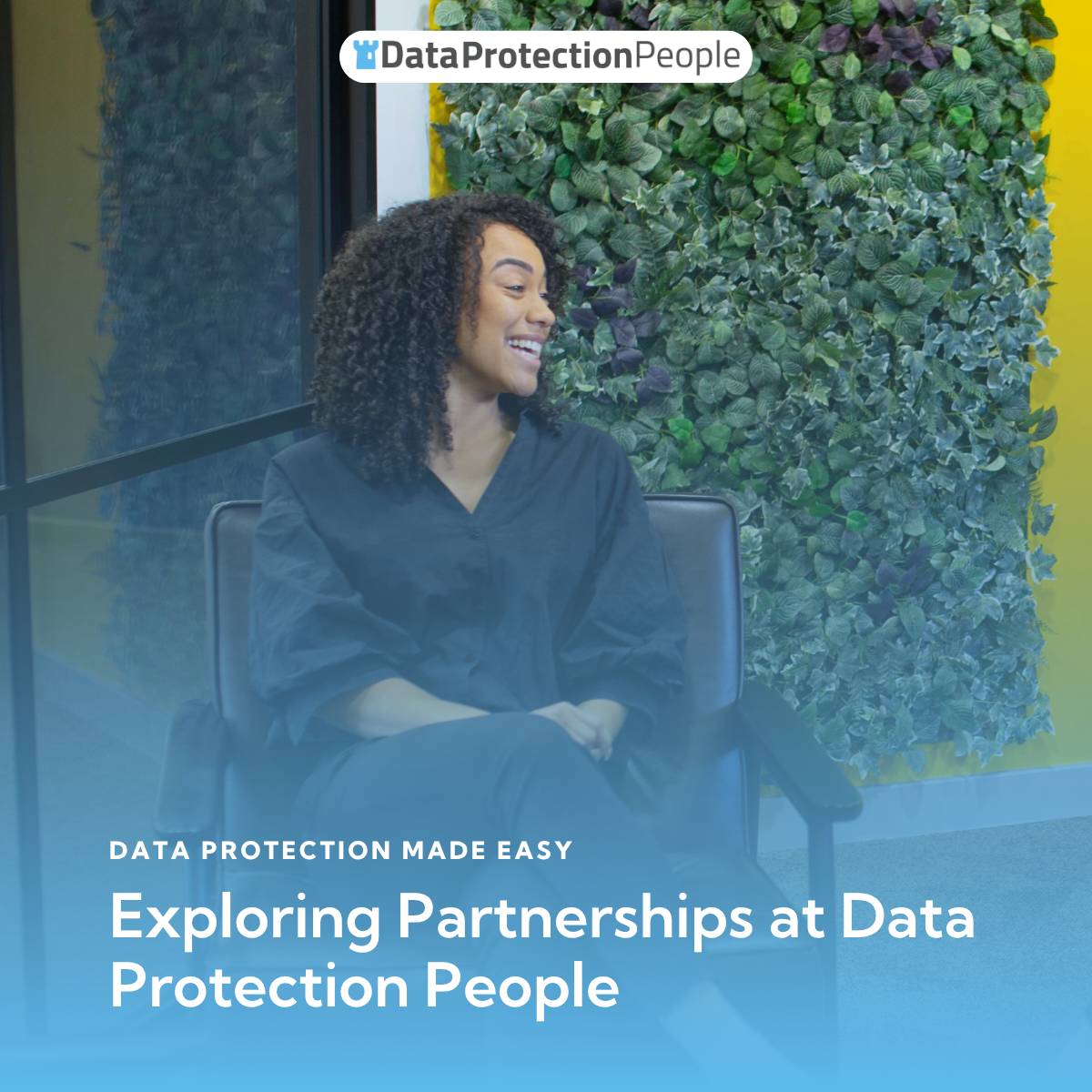
Exploring Partnerships at Data Protection People
Jasmine Harrison joins Data Protection People as Partnership Manager, bringing years of hands-on data protection experience to help organisations explore and build meaningful partnerships.
Team Announcement
Jasmine Harrison
Partnership Manager · Data Protection People
We are absolutely thrilled to announce that Jasmine Harrison has been appointed as Partnership Manager here at Data Protection People. Jasmine expressed a strong personal interest in stepping into this new role, and it is easy to see why. The position draws on every dimension of her journey with us, from her very first days as a support consultant right through to her most recent work as a DPP consultant.
“This role encompasses everything I’ve absorbed over the years at DPP, and I’m excited to bring that experience to our growing network of partners.”
— Jasmine Harrison, Partnership Manager
Jasmine’s journey with DPP
Jasmine first joined Data Protection People in 2020 as a Data Protection Support Consultant. From there she went on to manage client accounts before taking time out to travel. She returned to DPP as a consultant, and now moves into this newly created Partnership Manager role, a natural next step that brings together everything she has built over the years.
2020
Data Protection Support Consultant
Jasmine joined DPP and quickly established herself as a knowledgeable and reliable support consultant, helping clients navigate their data protection obligations.
Account Management
Accounts Manager
Moving into account management, Jasmine developed strong, lasting relationships with clients and gained a clear commercial understanding of how DPP partnerships work in practice.
Time Out
Travelling
Jasmine took time out to travel, returning to DPP with fresh perspective and renewed energy for the work ahead.
Consultant
DPP Consultant
Back at DPP, Jasmine worked as a consultant, drawing on her support and account management background to deliver high-quality, practical advice to clients.
Now
Partnership Manager
Jasmine steps into her new role as Partnership Manager, bringing together the full breadth of her DPP experience to support and grow our partner network.
What Jasmine brings to partnerships
Jasmine’s path through DPP means she understands our work from almost every angle. That breadth of experience, across support, account management, and consultancy, is exactly what our expanding partnership programme needs.
|
Relationship building Years of client-facing experience means Jasmine builds trust quickly and sustains strong partnerships over the long term. |
Data protection knowledge Deep, practical knowledge of data protection compliance means Jasmine can speak with authority to any prospective partner. |
|
Commercial awareness Her account management background gives Jasmine a sharp understanding of how partnerships create tangible value for both parties. |
Consultancy mindset Jasmine approaches every partnership with a practical, solutions-first perspective — always focused on what works in the real world. |
Could a DPP partnership be right for your organisation?
We already work with a wide range of organisations through our partnership programme, and Jasmine is actively looking to connect with businesses who want to expand or enhance their services through a partnership with Data Protection People.
Whether you are an HR consultancy, a legal firm, an IT services provider, or any other organisation whose clients have data protection needs, there could be a real opportunity worth exploring together.
Get in touch to explore a partnership
Contact us and we will arrange an introductory call with Jasmine to discuss what a partnership with Data Protection People could look like for your organisation.

GDPR Radio – Episode 204
GDPR Radio: Episode 204 – Latest Data Protection Updates and Insights
The Data Protection Made Easy podcast is dedicated to simplifying complex data protection topics. Making data protection compliance easy to understand and more accessible to all. In Episode 204 of GDPR Radio, our expert panel delved into the latest industry news, regulatory updates, and key legislative changes affecting businesses across the UK and beyond.
This fortnightly GDPR Radio session, recorded live every Friday, brings together data protection professionals, legal experts, and compliance specialists to dissect real-time developments in privacy law and cybersecurity. Listeners gain valuable insights, practical advice, and expert analysis to stay ahead in an ever-evolving regulatory landscape.
What Was Covered in Episode 204?
In this episode, our experts examined:
- Recent Enforcement Actions – A deep dive into the latest ICO rulings, fines, and regulatory decisions, highlighting key takeaways for organisations.
- Legislative Developments – Updates on upcoming data protection laws, including amendments to the UK GDPR and the impact of global privacy regulations.
- Emerging Risks and Trends – Discussions on AI governance, cybersecurity threats, and evolving compliance challenges facing organisations in 2024.
- Industry Best Practices – Practical guidance on how businesses can strengthen their data protection strategies, mitigate risk, and ensure compliance.
Why Listen to the Data Protection Made Easy Podcast?
With over 1,400 subscribers, hundreds of live attendees every week, and 30,000+ streams on Spotify. The Data Protection Made Easy podcast has established itself as the go-to platform for data protection professionals. Unlike other industry discussions, our sessions are designed to be:
- Accessible and Engaging – Breaking down complex legal and regulatory issues into clear, easy-to-understand conversations.
- Completely Free and Interactive – We encourage live participation, Q&A sessions, and open discussions with experts.
- Actionable and Practical – Every session provides real-world insights that businesses can implement immediately.
- Non-Promotional – We don’t sell or push services. Our goal is purely to educate, inform, and support the data protection community.
Join Our Live Sessions – Be Part of the Conversation
If you’re passionate about data protection or looking to stay ahead of the latest compliance changes, why not join our live discussions? The Data Protection Made Easy podcast is recorded live every Friday at 12:30 PM, and anyone is welcome to register for free.
Our weekly episodes alternate between:
🔹 GDPR Radio – Our flagship news session covering the latest updates, enforcement actions, and legislative developments.
🔹 Topical Discussions – Deep dives into specific areas of data protection and cybersecurity, featuring expert guest speakers and interactive debates.
How to Listen and Subscribe
If you missed Episode 204, you can listen back using the Spotify player below or on any major streaming platform, including Amazon Music, Apple Podcasts, and Google Podcasts.
🔗 View Upcoming Events and Register for Live Sessions
🎧 Listen to the Data Protection Made Easy Podcast on Spotify
By subscribing, you’ll receive weekly invitations to our live discussions, ensuring you never miss a critical update in the world of data protection.

Final Episode of 2024
Data Protection Made Easy Podcast – Final Episode of 2024: A Farewell to Jasmine Harrison
As we close out 2024, we celebrate the remarkable journey of the Data Protection Made Easy Podcast with a special episode dedicated to reflecting on the year gone by and bidding a heartfelt farewell to our esteemed co-host, Jasmine Harrison.
In this final episode, we take a trip down memory lane to revisit some of the top episodes and most memorable moments of the year. From insightful discussions on data protection challenges to deep dives into the latest cybersecurity trends. 2024 has been a year filled with engaging content and expert insights. But today, we also pause to celebrate Jasmine’s incredible contributions to the podcast, her dedication to the data protection community, and the impact she’s made over the years.
What to Expect in This Episode:
- A look back at the top episodes of 2024 that resonated with our audience and sparked important conversations.
- Highlights from Jasmine’s most memorable moments on the podcast.
- Reflections on how the podcast has evolved over the years and the milestones we’ve achieved as a community.
- A special farewell message to Jasmine and her future endeavours.
While we’ll miss Jasmine’s insight and energy on the podcast, we’re excited to continue delivering top-tier data protection and cybersecurity content in 2025. Stay tuned for more exciting episodes, new guest speakers, and fresh perspectives in the year ahead.
Thank You, Jasmine
Jasmine, your contributions have been invaluable, and we wish you nothing but the best in your future pursuits. Thank you for being a key part of our journey!
Listen to the final episode of 2024 and join us in celebrating Jasmine’s legacy on the podcast. You can listen back via the player below or you can tune in on Spotify and listen back on demand.

GDPR Radio: December’s News Highlights
GDPR Radio: December’s News Highlights
At Data Protection People, our GDPR Radio episodes have become a cornerstone of the Data Protection Made Easy podcast, offering a dynamic platform to explore the latest trends, regulatory updates, and challenges in data protection. In our December episode, hosted on 1st December 2024, we delved into some of the most significant topics in the world of GDPR and data protection, keeping our listeners informed and ahead of the curve.
What is GDPR Radio?
GDPR Radio is more than just a podcast—it’s a community-driven conversation designed to keep businesses, data protection professionals, and enthusiasts informed about the rapidly evolving data protection landscape. Each episode, our expert hosts break down the latest news, provide actionable insights, and tackle pressing questions from our live audience.
This episode featured Philip Brining, Joe Kirk, and Catarina Santos, who brought their unique expertise to the table, ensuring a comprehensive discussion. From regulatory updates to practical compliance advice, this session offered invaluable insights for organisations of all sizes.
What Was Discussed?
During this episode of GDPR Radio, our hosts unpacked:
- Regulatory Developments: Key changes and updates to data protection laws in the UK and EU, helping businesses stay informed and compliant.
- Recent Data Breaches: Analysis of high-profile breaches and the lessons organisations can learn to strengthen their data security measures.
- Industry Trends: Insights into emerging trends in data protection, including how technology and evolving regulations are shaping compliance requirements.
- Interactive Discussions: Listeners joined the conversation, posing their own questions and sharing experiences, fostering a collaborative environment where real-world challenges were addressed.
The Value of Community
At the heart of GDPR Radio is its thriving Data Protection Made Easy community, comprising over 1,400 subscribers from diverse industries. Joining our sessions isn’t just about listening—it’s about engaging with like-minded professionals, sharing insights, and staying connected with the latest in data protection.
As a subscriber, you gain access to:
- Live Episodes: Participate in our live sessions, ask questions, and network with industry professionals.
- On-Demand Access: Catch up on past episodes via Spotify, Amazon Music, or our website resource centre.
- Exclusive Resources: Access templates, tools, and expert guides designed to make data protection simpler and more effective for your organisation.
How to Join the Conversation
Becoming a part of the Data Protection Made Easy community is simple:
- Visit our website’s events page to explore upcoming topics and register for free.
- Subscribe to our podcast on your favourite streaming platform to never miss an episode.
- Engage with us on social media, where we regularly share insights, updates, and resources.
Listen Back to the Episode
If you missed this episode of GDPR Radio, don’t worry! You can listen back to the discussion and catch every detail by clicking the Spotify widget below.

GDPR Radio – Episode 189
GDPR Radio – Episode 189 – Data Protection News of the Week
Welcome to Episode 189 of GDPR Radio! Last week’s live session was another fantastic discussion with over 100 community members tuning in to keep up to date with the latest news in the world of data protection. GDPR Radio is our bi-weekly series designed to provide fresh insights and cover the latest in GDPR developments, data protection trends, and regulatory updates.
What You Missed in Episode 189
Our hosts took a deep dive into the pressing issues affecting data protection this month. Each episode of GDPR Radio is carefully structured to highlight recent changes in legislation, cover high-profile data breaches, and provide updates on data privacy initiatives both in the UK and across the EU. For Episode 189, we focused on a mix of timely topics, covering both the latest legal changes and practical tips to help organisations stay compliant in today’s fast-evolving privacy landscape.
Joining Our GDPR Radio Community
The GDPR Radio series isn’t just a podcast—it’s an interactive platform where data protection professionals, enthusiasts, and anyone curious about data privacy can connect, ask questions, and share insights. If you’re keen to join our next live session, becoming part of our community is easy. By joining, you’ll gain access to exclusive content, networking opportunities, and direct communication with industry experts. Sessions are held every other week, giving our listeners an ongoing touchpoint with all things GDPR.
Why Tune In?
Each GDPR Radio episode is packed with practical information to help organisations navigate the challenges of data compliance and stay up to date on the most important data protection news. With over 1,300 subscribers and a thriving community, it’s a trusted source for reliable, timely information on the issues shaping data privacy today. Missed an episode? No worries! You can catch up on all past episodes, including Episode 189, on Spotify, Audible, and other major streaming platforms.
Stay connected, stay compliant, and join us on GDPR Radio for expert analysis, in-depth discussions, and a look ahead at what’s next in the world of data protection.

Using Artificial Intelligence In The Workplace
Using Artificial Intelligence In The Workplace: Data Protection Made Easy Podcast, Episode 192
On Friday, we hosted an engaging episode of the Data Protection Made Easy podcast on Using Artificial Intelligence In The Workplace. Joined by a live audience of over 150 data protection professionals, our hosts Jasmine Harrison, Joe Kirk, and Philip Brining brought their data protection expertise to a lively discussion on the potential risks and challenges that AI presents in today’s workplace.
While none of our hosts claim to be AI experts, they explored the practical implications of integrating AI responsibly, covering key legislation, new tools, and global standards. With a balanced perspective, they offered insights without scare tactics, engaging with an audience eager to better understand AI’s evolving role.
Highlights from Episode 192
News of the Week
Before diving into AI, our hosts kicked things off with their popular “news of the week” segment, where they discussed recent developments in data protection, cybersecurity, and compliance. From regulatory updates to emerging best practices, this segment set the stage for a thought-provoking main discussion.
Exploring AI’s Role in the Workplace
After covering current news, Jasmine, Joe, and Philip transitioned into the AI discussion, addressing some of the latest and most critical elements impacting AI’s role in data protection. Here’s a closer look at the three main topics they covered:
- The EU AI Act
The EU AI Act is a first-of-its-kind attempt at regulating AI across the European Union, aiming to ensure that AI development aligns with human rights and data protection principles. Our hosts unpacked how this legislation, although still in its draft stages, will place restrictions on high-risk AI applications, particularly those that involve personal data. They discussed the potential compliance challenges businesses might face, such as navigating AI bias and ensuring AI decisions remain fair and transparent. Although new and complex, the EU AI Act is shaping up to become a major milestone in global AI governance. - Microsoft Co-Pilot and Google Notebook
AI tools like Microsoft Co-Pilot and Google Notebook have found their way into daily operations, streamlining processes from drafting content to assisting with administrative tasks. However, these tools bring data privacy challenges that data protection teams must address. The hosts highlighted how such AI-driven platforms collect, store, and process data, which could lead to unintended data exposure. With AI tools rapidly becoming workplace staples, Jasmine, Joe, and Philip explored practical ways organisations can limit data risk, maintain transparency, and respect user privacy without stifling innovation. - ISO/IEC 42001: AI Governance Standards
The conversation then turned to ISO/IEC 42001, a proposed global standard for governing AI management systems, expected to offer a framework for responsible AI deployment. This standard aims to provide a set of best practices for ensuring AI is deployed with privacy, security, and ethical guidelines in mind. For organisations adopting AI technologies, ISO/IEC 42001 could serve as a valuable tool to implement data governance practices that are both ethical and compliant.
Reflecting on the Risks and Rewards of AI
In wrapping up, our hosts emphasised that AI in the workplace presents significant potential alongside its risks. They touched on a range of data protection considerations, from safeguarding personal data to maintaining accountability when using automated tools. Rather than instilling fear, Jasmine, Joe, and Philip encouraged the audience to look at AI as an opportunity for growth—provided it’s used with a strong commitment to data protection and ethical standards.
Listen to the Episode
Couldn’t make it to the live session? No problem! Listen to Episode 192 of Data Protection Made Easy on Spotify, Audible, or any major podcast platform. You’ll gain valuable insights and hear from fellow data protection enthusiasts as they share their views on AI’s impact on the workplace.
Subscribe and Join the Conversation
With AI evolving rapidly, we’re committed to keeping our audience informed. Tune into Data Protection Made Easy every Friday for the latest on data protection trends, regulatory updates, and expert discussions. Don’t miss the opportunity to be part of our thriving community of data protection professionals!

Digital Footprints: The Ethics and Impact of Tracking and Profiling
Digital Footprints: The Ethics and Impact of Tracking and Profiling
In this insightful episode, our hosts Phil, Joe, and Jasmine dive deep into the complex world of Digital Footprints: The Ethics and Impact of Tracking and Profiling, focusing on its ethical implications and real-world impact.
Discussion Topics:
- Workplace Monitoring: How companies track employee activities to boost productivity while maintaining a balance with privacy rights. Our hosts explore the fine line between justified surveillance and intrusion.
- Online Tracking: An in-depth look at the methods used to track online behaviour, such as cookies and targeted advertising. The hosts debate whether it is possible to limit or avoid these types of tracking and what this means for the everyday user.
Meet Our Hosts:
- Phil Brining: An expert in data privacy and protection, Phil brings a wealth of knowledge and a practical perspective to every discussion.
- Joe Kirk: Joe offers insightful analysis on how tracking and profiling affect both businesses and consumers.
- Jasmine Harrison: Jasmine helps break down the legal aspects of data protection and ethical monitoring, making complex topics accessible.
About the Podcast:
The Data Protection Made Easy Podcast is your go-to source for understanding the world of data protection, privacy laws, and ethical considerations. Each week, we delve into timely topics that matter to businesses, professionals, and individuals concerned about their digital footprint. Whether you’re a data privacy novice or a seasoned professional, our episodes are crafted to be both informative and engaging.
Join Our Community:
By becoming a part of the Data Protection Made Easy community, you gain exclusive access to insightful discussions, industry updates, and practical tips on safeguarding your data. You’ll also connect with like-minded professionals and stay ahead of key trends in data privacy.
Benefits of Joining:
- Access to exclusive webinars and Q&A sessions with experts
- Early access to new podcast episodes and special content
- Networking opportunities with data protection professionals
- Insightful resources on the latest developments in data protection and privacy
How to Join:
Joining is easy and free. Simply subscribe to the Data Protection Made Easy podcast on your favourite platform, such as Spotify, or participate in our live weekly sessions on Microsoft Teams. Stay informed, expand your network, and never miss out on critical updates in data protection.